







Google Ads AI needs guardrails, not blind trust ft Mike Ryan

Google Ads’ increasingly automated campaign tools can uncover new opportunities, but advertisers shouldn’t mistake optimization for strategy.
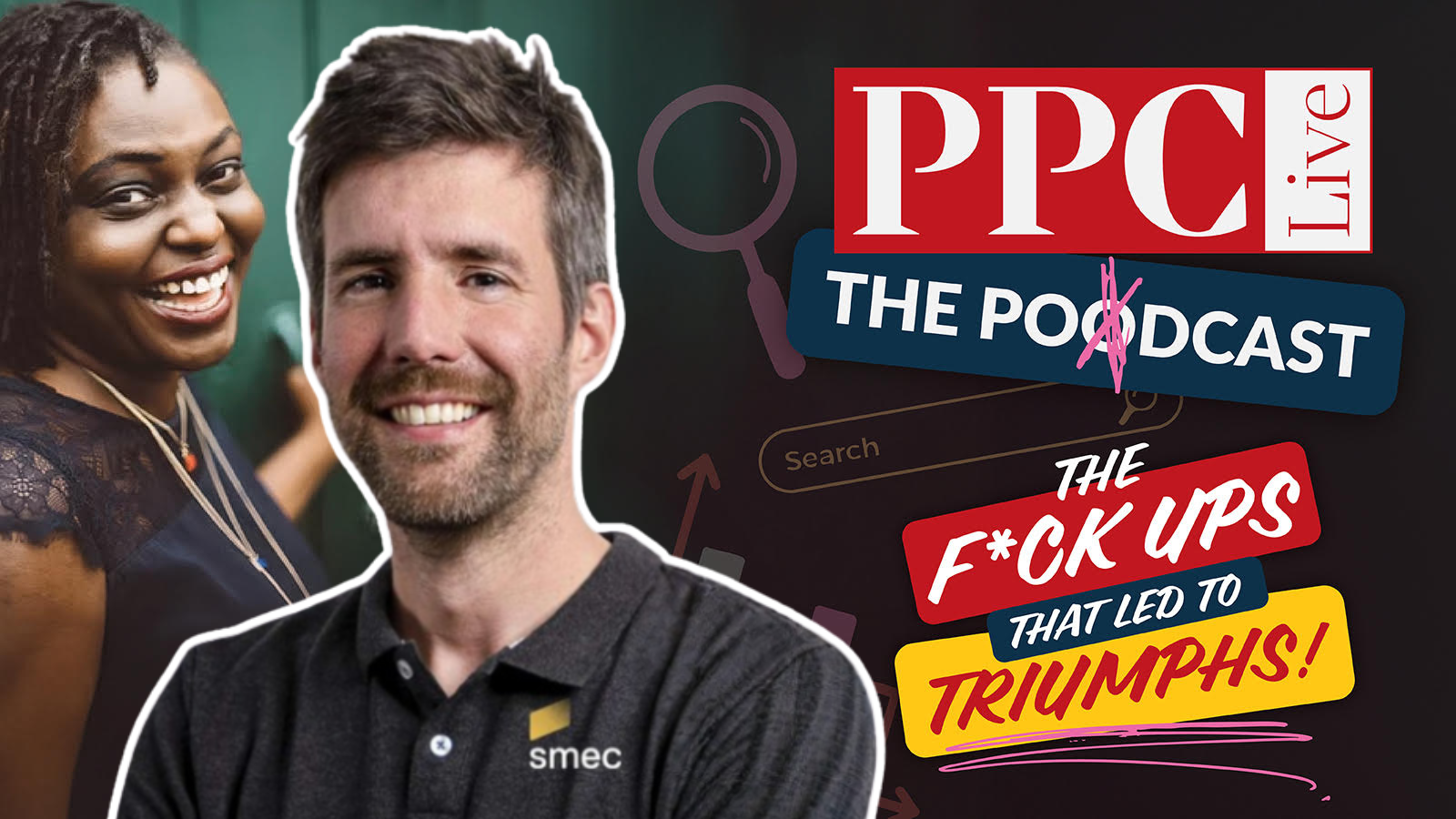
That was one of the central lessons shared by Mike Ryan, head of e-commerce insights at Smarter Ecommerce (SMEC), during a conversation on the PPC Live podcast about mistakes, AI Max and how advertisers should approach Google’s rapidly evolving automation.
Ryan shared how AI Max dramatically expanded a client’s traffic by targeting a much larger competitor. Performance looked good, but the advertiser had intentionally avoided those searches to prevent a bidding war — business context AI Max couldn’t understand.
Trust AI, but verify what it’s doing
The experience reinforced Ryan’s “trust but verify” approach. New Google Ads technology should be monitored closely from day one, including checking search terms rather than assuming strong headline performance means everything is working as intended.
AI Max and Search Partners sparked a false alarm
Ryan initially concluded from several campaigns that AI Max favored Search Partner Network and shared the finding on LinkedIn. More data later showed that wasn’t generally true, illustrating the danger of turning early observations into broad conclusions.
Viral PPC claims are difficult to take back
A correction rarely gets the reach of the original controversial claim. Ryan discussed the responsibility that comes with having an industry audience, particularly when advertisers may use his observations to make real campaign decisions.
AI Max has guardrails — advertisers need to use them
Advertisers can control unwanted AI Max behavior through negative keywords, brand inclusions and exclusions, and Search Partner Network settings. Reporting such as AI Max match type and match source can also reveal exactly where expansion is coming from.
Over-segmenting campaigns can starve Google’s AI
Highly granular account structures can leave individual campaigns without enough conversion data for automated bidding. Ryan said his research points to at least 30 monthly conversions — ideally 60 or more — for Smart Bidding to work consistently.
Campaign segmentation should be strategic
Ryan argued that advertisers have moved from tactical segmentation toward strategic segmentation. Every additional campaign or split should have a reason to exist rather than simply recreating the highly granular structures common in older Google Ads strategies.
CFO-driven structures can clash with Google Ads
One account Ryan encountered had been divided into extremely granular margin buckets dictated by its CFO, each with its own ROAS target. The structure sounded sophisticated but fragmented the data so heavily that the algorithm struggled to achieve those targets.
Custom labels are an overlooked source of business context
Custom labels can feed information Google doesn’t inherently know — including margins, sell-through rates and return rates — into campaign strategy. That can help advertisers optimize around actual business profitability rather than simply recorded conversions.
Performance Max channel controls could cause confusion
Ryan discussed an emerging Performance Max feature allowing advertisers to adjust the importance of individual channels. He warned that increasing a channel’s “importance” may actually give Google greater tolerance around a CPA or ROAS target — potentially producing a different outcome than advertisers expect.
Advertisers panicked over Google’s August 17 change
Ryan’s early research found advertisers increased target ROAS around Google’s August 17 update — including campaigns that weren’t limited by budget and therefore didn’t necessarily need changes. He argued uncertainty around the update caused advertisers to become unnecessarily conservative.
That panic may have created an opportunity
If advertisers collectively raise ROAS targets and reduce spend, competitors could potentially move in the opposite direction. Ryan suggested some advertisers might have benefited from lowering their ROAS targets and capturing market share while others pulled back.
The August 17 impact needed more time
Ryan pushed back against immediate claims about the impact of the update. Google advised advertisers to wait one to two conversion cycles, meaning many conclusions circulating shortly after the change were being drawn before sufficient data existed.
Curiosity is becoming a core PPC skill
Ryan’s overarching lesson was to remain skeptical and curious as advertising becomes more automated. Strong performance, new controls and early industry claims all deserve investigation rather than being accepted at face value.



إرسال التعليق