





What happens before search strongly shapes the decision

Search isn’t shrinking, but its role in the purchase funnel is changing.
People are searching in fundamentally different ways, using cameras, conversations, and keywords to find what they want. At the same time, discovery is happening before many searches, as recommendation engines curate content and help people develop preferences before they ever type a query.
The searches marketers see may be less about discovering what to buy and more about confirming a decision that’s already taking shape. Those earlier stages are difficult to observe, so the activity that helped someone develop a preference can disappear from the purchase path.
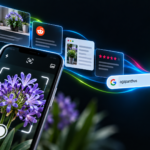
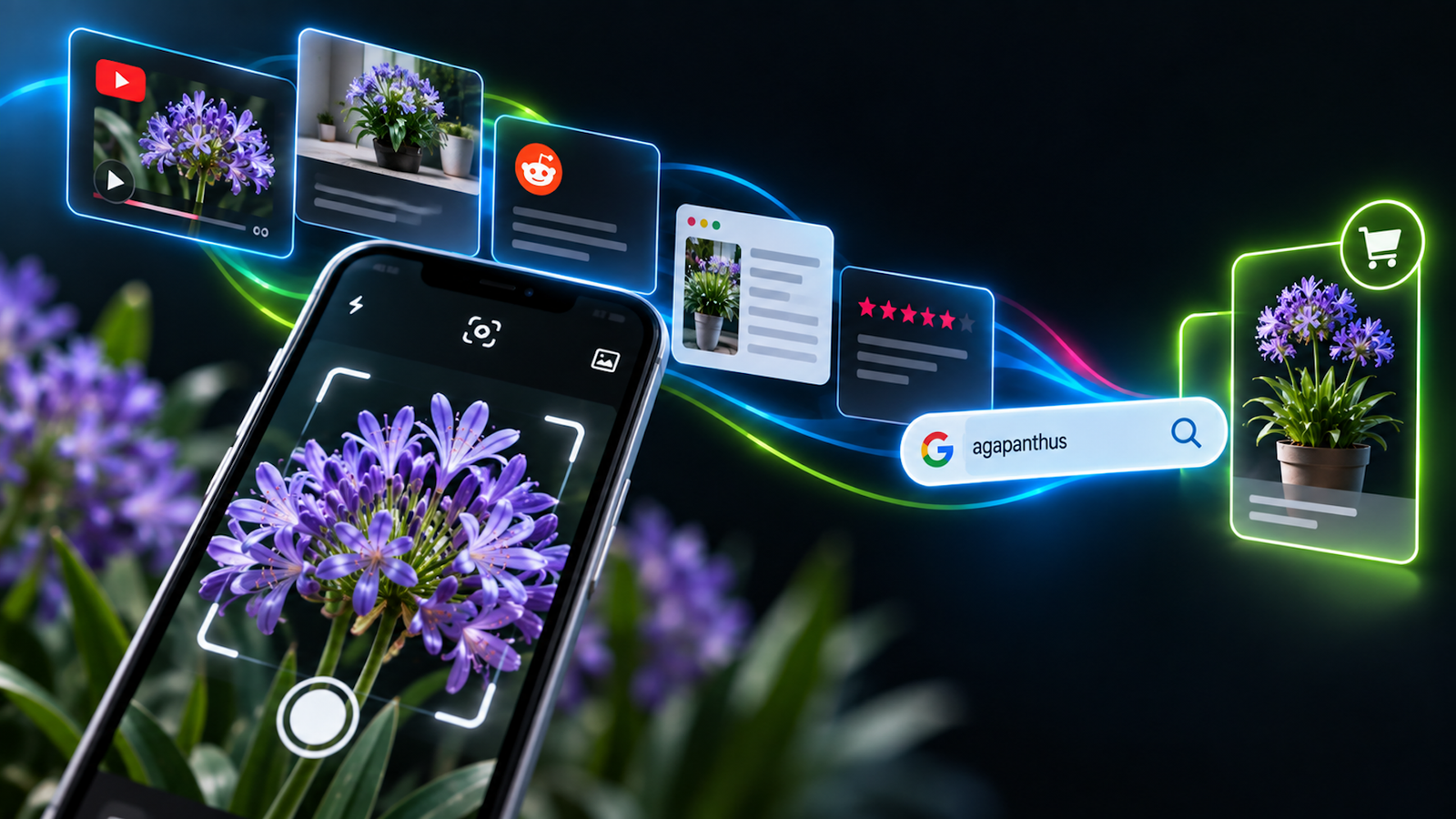
A few weeks ago, I was on a walk in my neighborhood, enjoying a Pacific Northwest summer day. Along my usual route, I noticed a beautiful plant that I loved but didn’t recognize. Just a few years ago, I would have had to return home, type a clumsy description like “purple flower Northwest beautiful” into a search engine, and then scroll through dozens of pictures before finding the plant’s name.
This time, I simply pointed my phone camera at the plant, had Google Lens identify it for me, and then bought one at my local plant store the next day. No ad. No search bar. Just a camera and an answer.
Nothing about my experience is unusual anymore, and it should change how every digital marketer views search’s role in the purchase funnel.
Search is changing alongside the funnel
The demand generation funnel has become flatter, noisier, and more complicated. The touchpoints have sorted themselves into a consistent sequence.
The traditional funnel was often described as a straight line from awareness → interest → desire → action, with search activity doing the most work in the interest stage, when people were still figuring out what they wanted.
Now the funnel looks something like passive exposure → preference development → confirmation searches → purchase. Search is still a critical component of a buying decision, but it plays a smaller role in discovery.
That job has shifted to recommendation engines that can predict user intent and curate personalized content before the first query. By the time searches happen, they’re confirming a decision that’s already been made.
I see this play out in client accounts. The queries that are closest to purchase look more like caveman language, i.e., “brand name product model,” indicating that consumers know exactly what they’re looking for when it’s finally time to buy.
The catch here is that the first two stages of the new funnel are ones we can’t really observe. If someone watches a series of videos on social media, develops an interest in a product, and then conducts a Google search before purchase, that activity will appear to be a branded search conversion. The content that helped them form their decision never appears in the purchase path.
Consequently, most marketers still budget as if search does the discovery work because that’s what their data tells them.
Be the brand customers find first.
Track, grow, and measure your visibility across Google, AI search, social, local, and every channel that influences buying decisions.
Start your free trial
Examining YouTube’s unique position
As search plays a different role in the funnel, YouTube is taking on a larger role in discovery. Two things make it different: machine trust and human trust.
- Machine trust: A study of over 100 million AI citations found that YouTube was the second most-cited social media platform, behind only Reddit. AI answer engines trust YouTube so much because of its massive library of content, including elements like video transcripts, which provide AI models with structured text they can display in answers.
- Human trust: Consumers have more confidence in YouTube than other social platforms. Studies show that more than two-thirds of consumers find YouTube “somewhat or very trustworthy” when it comes to making purchase decisions.
Creators on YouTube also supply social proof, which now plays a critical role in purchasing decisions, particularly among younger buyers. Up to 70% of Gen Z follow an influencer, and 44% made a purchase based on an influencer’s recommendation.
YouTube enjoys the unique position of being highly trusted by both consumers and the machines making recommendations, and Google has taken steps to ensure the platform gets credit for its role in discovery. In January, it rolled out the Attributed Branded Search metric, which enables marketers to link YouTube ad exposure to a branded search within a specific timeframe.
ABS only captures exposure to YouTube advertising. The organic layer featuring review videos, product unboxings, and comparison videos remains invisible. If the measurable portion is driving tangible results, imagine what the rest of the channel is doing.
Dig deeper: YouTube is no longer optional for SEO in the age of AI Overviews
Discovery extends well beyond YouTube
This huge invisible discovery layer extends well beyond YouTube. Much of that discovery happens outside the channels brands control.
AI tools don’t repeat your version of the brand. They repeat what the entire web says about you. Earned media drove 84% of AI citations, according to a Muck Rack review of 25 million ChatGPT, Claude, and Gemini responses across multiple industries.
Those third-party mentions, YouTube review videos, and Reddit threads form the raw material for the AI answers and feed recommendations that drive today’s purchasing decisions.
The practical outcome of this shift is that brand reputation management and search visibility have merged into a single role.
Dig deeper: Why social search visibility is the next evolution of discoverability
How do brands drive discovery?
Brands still have an enormous role to play in driving discovery. However, those activities must extend beyond paid advertising. Here are three ways you can influence discovery:
- Build a video library that answers questions about your product and your brand regardless of whether you’re running YouTube ads. These will become a database AI answers can draw from.
- Data health has become a non-negotiable. The algorithm only knows what you tell it. Consequently, your product feeds should provide the algorithms with as much information as possible. It’s also critical to build brand consistency across the channels you control.
- Show up in conversations you don’t own. Reddit threads involving your brand are feeding AI Overviews whether you participate or not.
Providing consistent and complete information across channels will give algorithms and AI tools something reliable to work with.
Don’t abandon search
A reshaped funnel shouldn’t be the reason you pull back from search. Google query volume reached an all-time high in early 2026 even as search’s position in the funnel changed.
The mistake won’t come from overinvesting in search. Instead, the mistake will come from expecting search to accomplish something it’s no longer suited for.
Rather than retreating from search, this is an opportunity to reimagine your marketing mix within a new framework. If search now occupies a different funnel position, how can you allocate your marketing resources to cover the upper-funnel work that still must be done?
The answer to this question will be different for every marketing team, but it’s a conversation that everyone should be having right now.
Search behavior won’t stand still
A few years ago, I never would have imagined that I could search for a plant’s name with a camera built into my phone, much less have a back-and-forth conversation with my computer. But here we are.
Marketers are working on the cutting edge, watching new technology change user behavior right before our eyes. Everything could shift again by this time next year. Nobody knows for sure. But the larger trend is clear: people are increasingly searching to confirm what they’ve already decided.


إرسال التعليق